
A single weighted current that swells, curls, and tapers into a cyan spark — the trade flow we power: goods, capital, and information moving as one continuous current, terminating in clarity.
Blog
Expert perspectives on commodity trading, customs compliance, trade finance, and supply chain technology.

Why does a commodity trader need a commodity-aware CTRM, not a generic ERP module?
A generic ERP inventory module tracks quantity and average cost, treating a tonne of copper the same as a finished good on a shelf. A commodity trader needs a system that tracks price exposure separately from ownership: index and differential pricing, un-fixed contracts, quality adjustments, hedge exposure, laytime, and letter of credit workability. The CTRM and ETRM vendor market itself is expanding from energy and metals into softs and agri, which is a sign of where the baseline is moving.

Two Sides of One Bushel: managed supply between a flour mill and its merchant
A US flour mill and the grain merchant that supplies it share every bushel: the merchant owns the wheat until it is milled, the mill carries much of its price risk, and an EFP swaps their hedges when a grind contract is written. An illustrative case study of how both run it on opsPhlo.
What is a digital bill of lading, and what did MLETR actually change?
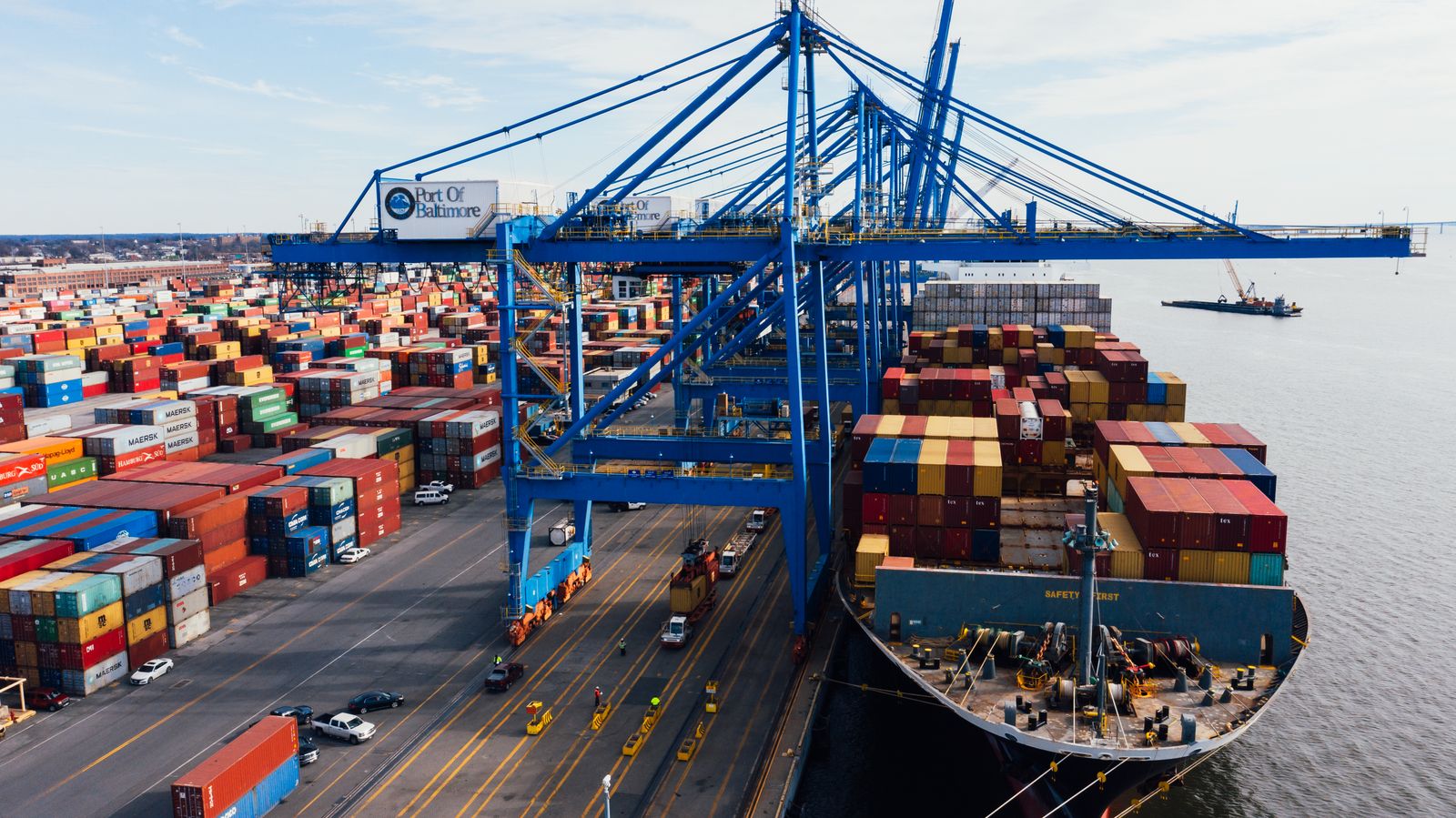
A paper bill of lading still has to physically reach the right hands before cargo can be released or payment can move, and for centuries the law gave electronic versions no equivalent standing. MLETR and the UK's Electronic Trade Documents Act changed that. Here is what a digital bill of lading actually is, what the law changed, and what still has to go right for it to work.
Why stitch together five trade finance vendors when one data model does it?
A September 2026 partnership wired two trade finance platforms together over an open API so each could cover ground the other already had a product for. That is the industry's standard answer to “we need more coverage” — bolt another vendor on. For the commodity trader CFO holding four or five lender relationships, the question is who is doing that reconciliation work when the vendors themselves don't.

What does the ISO 20022 migration actually cost a mid-market company?
Banks are spending $20-30 million each on ISO 20022, and analysts put the industry total above $100 billion. For the corporates who now have to restructure addresses and rebuild payment files, there is no published benchmark at all. Here is what the costs actually are, what drives them, and an invitation: tell us what you have been quoted, and we will publish the anonymised picture.
Will your bank reject your payments after 14 November 2026? The ISO 20022 structured-address deadline, explained
From 14 November 2026, payment messages carrying fully unstructured postal addresses will be rejected outright under Swift's CBPR+ rules, and UK banks are writing to corporate customers about it now. Most of those letters bundle two different asks together. Here is what is actually mandatory, what is optional, what a proper migration involves, and why the calendar, not the effort, is the binding constraint.
HMRC's CDS report contracts expired 31 March 2026 — are you still using TRE?
For years, UK importers and their brokers pulled declaration history from CDS's own MSS-era report contracts. Those contracts expired 31 March 2026. The Trade Reporting Extract (TRE) API is now the only route to that data — here is what stops working if you never migrated, and what to check before your next duty reclaim or audit.
Is your CDS post-clearance amendment process still valid after 16 June 2026?
The general catch-all category for post-clearance corrections to a CDS declaration — anything that isn't underpayment, overpayment, importer-detail, or a bulk amendment — used to go to HMRC by email. Since 16 June 2026 it does not. Here is what changed, who is still doing it the old way without knowing, and what breaks if you are.
How does inventory financing differ in transit versus in a warehouse?
A bill of lading and a warehouse receipt look like the same collateral — a pile of commodity the lender can seize if you default. To a lender they are two different risks with two different advance rates. Here is what actually changes when a cargo goes from a vessel to a bonded warehouse, and why most CFOs only find out the hard way.
How does FX hedging work for a commodity trader with mismatched currencies?
Buy in USD, sell in EUR, borrow in GBP — most physical commodity traders run three currency legs on every deal without ever calling it "FX trading." Here is what actually creates the exposure, how the standard hedges work, and why the hedge only protects you if treasury sees the exposure the moment it's booked, not at month end.
What is a real-time general ledger, and why does it matter for commodity traders?
Most CTRMs post to the GL overnight, in batch, after the desk has already traded on stale numbers. A real-time GL closes books in days instead of weeks and lets a CFO see today's P&L today. Here's the architectural difference, and why it's hard to bolt onto a legacy system.
What Does a Duty Recovery Audit Actually Check in Your Customs Data?
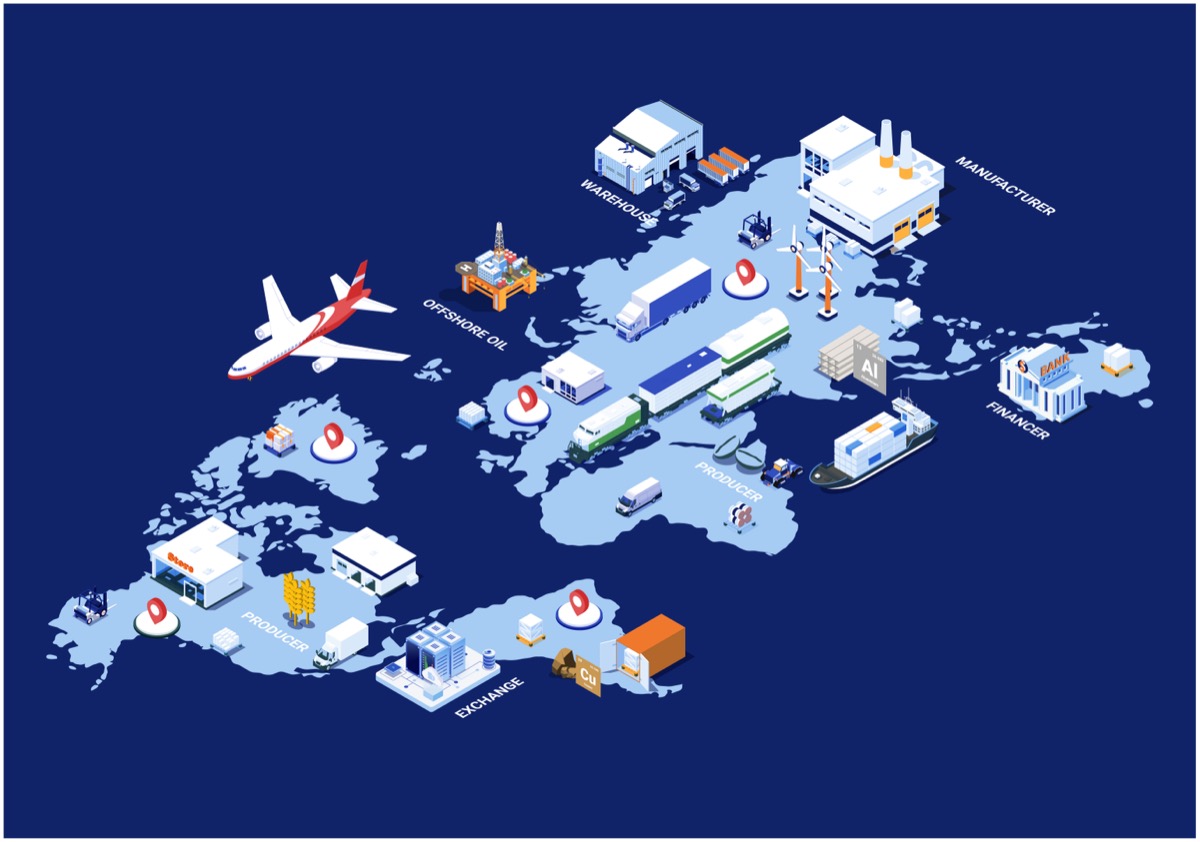
Most of the $166B in refundable IEEPA duty is still unclaimed because nobody has time to comb a year of ACE ITRAC data by hand. Here's what a duty recovery audit actually checks, and why it's rarely just one thing.